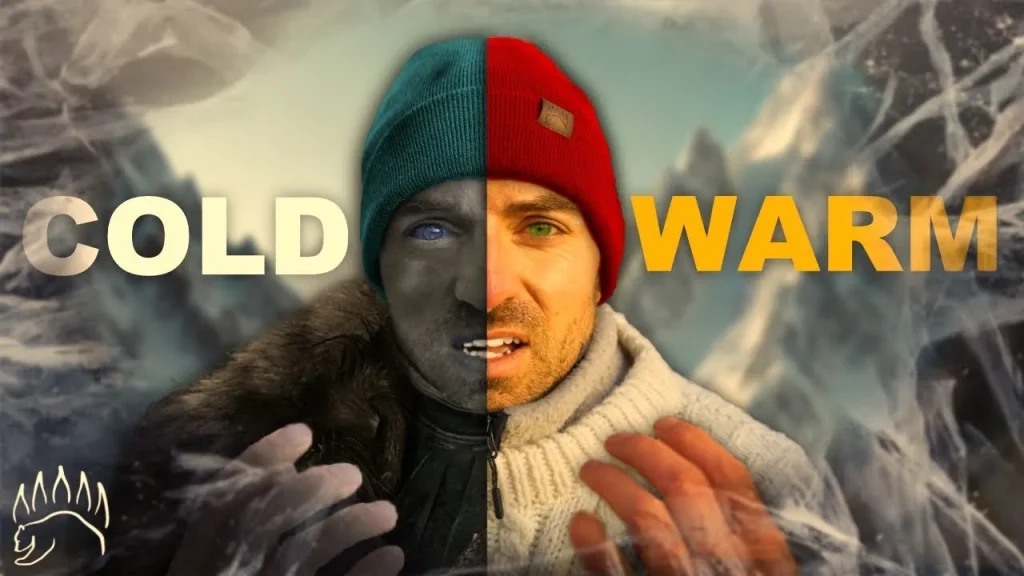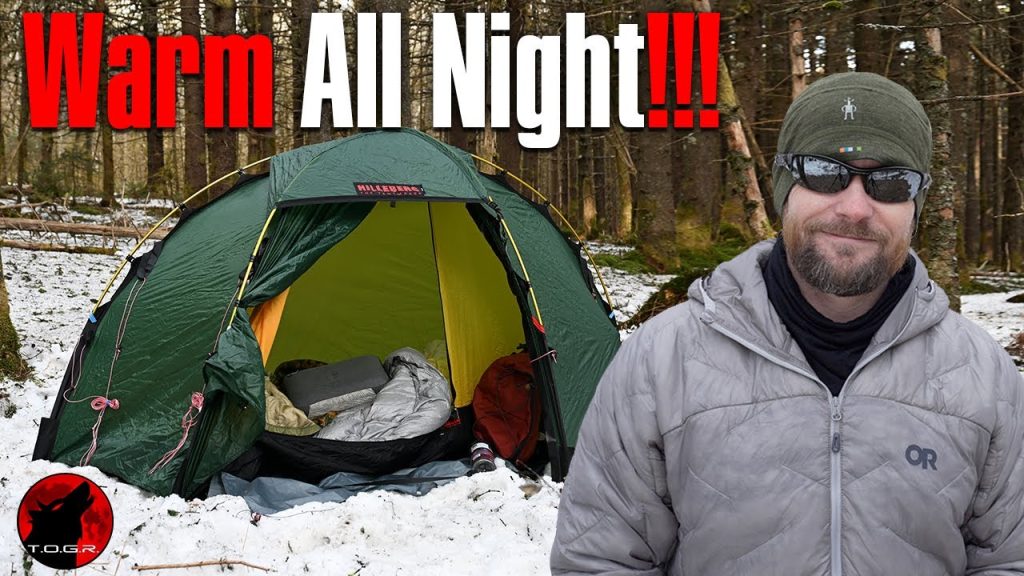
Cold feet can ruin a day out that is otherwise going perfectly. You can have the warmest jacket on the hill and still spend the whole evening stamping around camp, unable to think about anything but your toes.
Here is the short answer. Cold feet are usually damp feet or squashed feet. Your feet sweat whenever you are working, so you need a plan for getting that moisture out, whether that is a dry pair of socks, a spare boot liner or a vapour barrier. And your boots need to be roomy enough that the socks are not crushed and the blood can get to your toes. Thicker socks in the same boot usually make it worse.
We have picked a nine-minute video from The Bear Essentials that explains all of this with the kit in front of you. What follows is the breakdown, with timestamps, and a quick table of what to do for each type of boot.
Why this video
There are plenty of cold feet videos, and most of them are a list of products. This one tells you at the start that there are no sponsors and nothing to buy (0:04), and it sticks to that.
DJ from The Bear Essentials names three mistakes, then shows a plan for the three kinds of boot most people actually own, from hiking boots to wellies. The props make the ideas obvious, which is why it edged ahead of a very close runner-up.
That runner-up is Clay Hayes’ cold weather foot tips. It is the better watch if you spend a lot of time standing still, because it covers keeping your core warm and insulating your feet from frozen ground. BackpackingTV’s winter feet video is worth it for down booties and sock rotation on a winter trip.
Mistake 1: trusting expensive waterproof boots on a trip
This one surprises people. At 0:13 the video explains that fully waterproof, high-tech winter boots with lots of wicking layers inside work really well for standing still in the cold, or for a day out where you go home and dry them.
The problem is a trip. If you are camping out, or you might get caught out overnight, the outer layer is so waterproof that the moisture your feet produce cannot get out (0:47). The inside does its job and pulls sweat away from your foot, but it has nowhere to go. The boots become moisture traps (1:14), and on a cold night you can wake up to find them frozen solid (1:56).
Why does damp matter so much? Because, as the video says at 1:32, water conducts heat more than 25 times faster than air. A damp sock is pulling heat out of your foot all the time.
The good news, and the reason this is not a shopping list, is that the boots you already own can do better with the right system (2:01).
Mistake 2: having no plan for the moisture
Whatever you are doing, and whatever you are wearing, your feet will sweat when you are working hard (2:32). So the plan is about what you do when you stop. The video shows one for each of three common boots.
Hiking boots: swap your socks
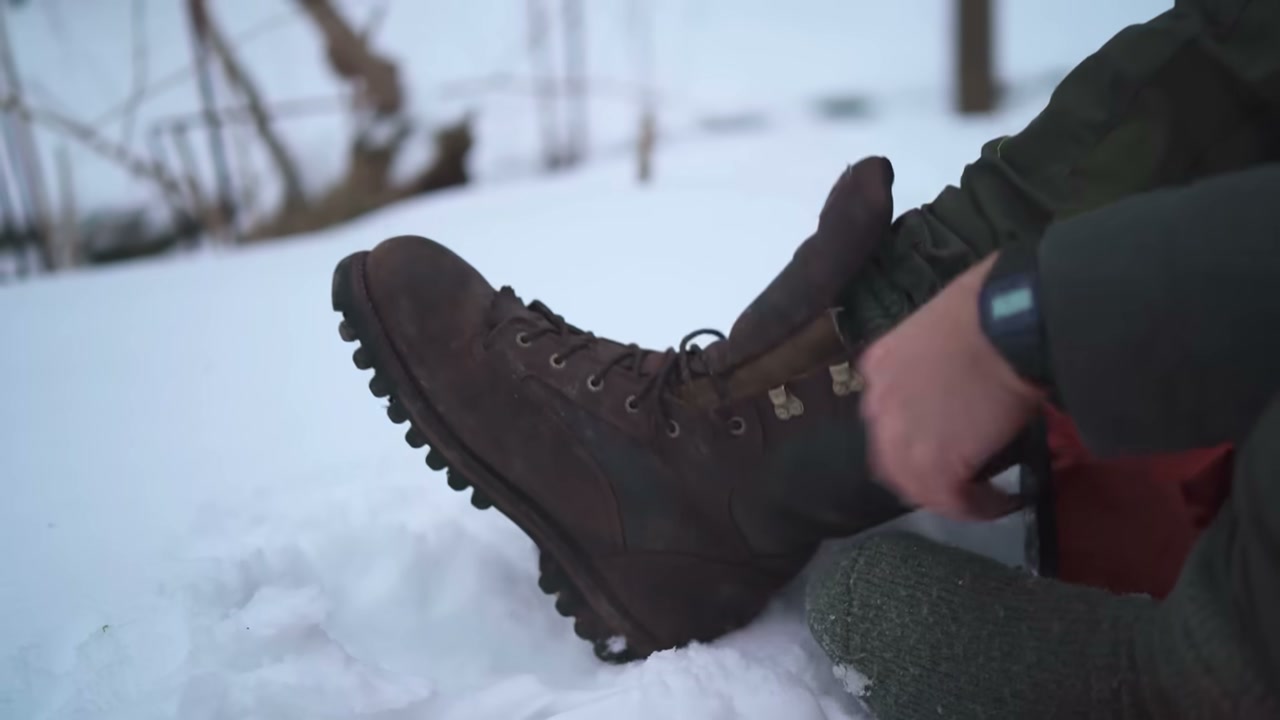
A leather hiking boot is not a dedicated winter boot, but it can still keep your feet warm (2:52). Leather lets some moisture escape, which helps.
The plan revolves around a spare pair of wool socks (3:22). Wool keeps insulating when it is wet, it wicks moisture away from your skin, and it is breathable enough to dry out overnight.
- When it is less cold, wear a thin wool or synthetic liner sock with a bigger wool sock over the top (3:48).
- As soon as you stop for the day and settle into camp, change your thick wool sock for the dry spare (4:25).
- Dry the damp pair by the fire if you like, or just put it in your sleeping bag with you overnight (4:35). You wake up with two dry pairs again.
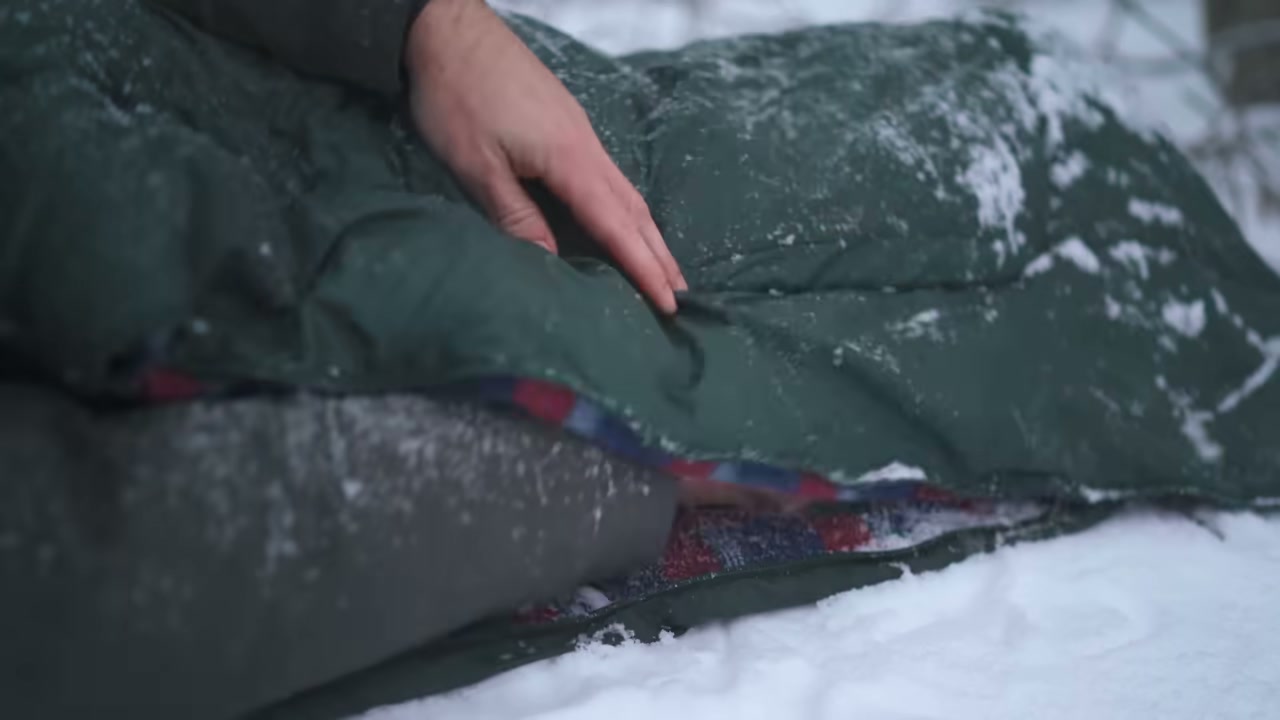
And one golden rule, from 3:57. Avoid cotton, and cotton blends, anywhere in your outdoor kit. It does not wick moisture and it stops insulating once it is wet.
Pack boots: swap the liner
Pack boots have a rubber bottom, a leather or nylon upper and a removable wool felt liner (4:47). DJ calls them the most practical winter boot, and says you can often find them cheaply second hand (5:18).
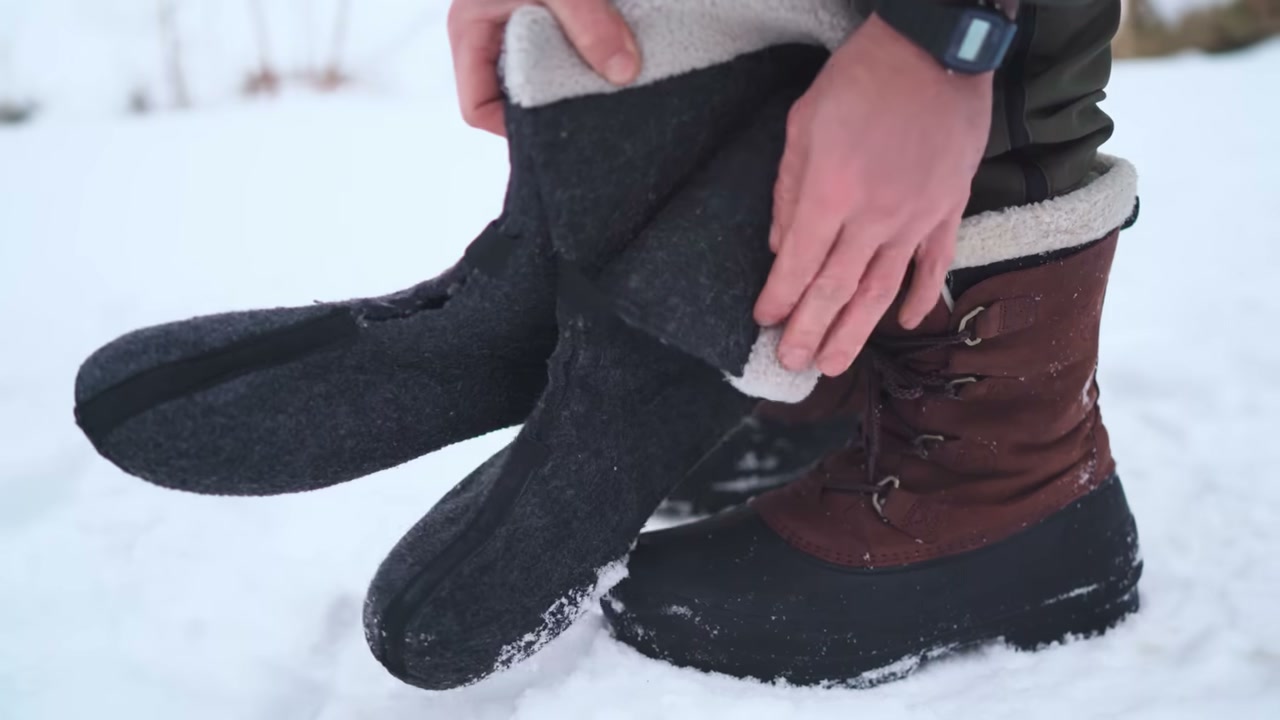
The plan is the same idea with a bigger part. Wear your inner and outer socks as before, and carry spare liners (5:44). When the liners start to get saturated, swap in the dry ones (6:04). The damp liners go in your sleeping bag overnight, so in the morning you slide a warm liner into your boot instead of your foot into a frozen one (6:11).
Rubber boots: more socks, or a vapour barrier
A rubber boot lets no moisture out at all, so if it has no removable liner you are back to changing socks, and changing them more often. Take two or even three spare pairs (6:37).
The second option is the vapour barrier method (7:02). It works a bit like a wetsuit. A plastic layer over your foot keeps the sweat in, so the thick insulating sock over the top stays dry and nothing soaks into the boot. You just change the barrier.
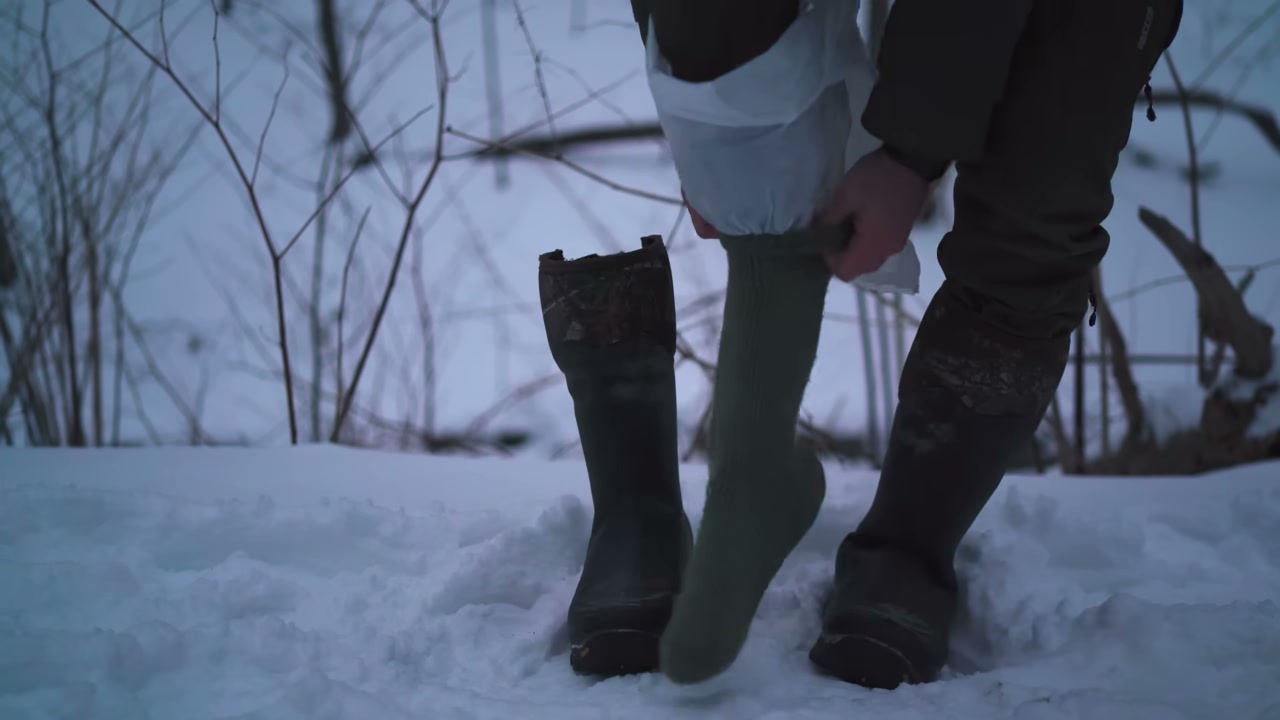
It is not his favourite. Your feet end up like prunes and it smells (7:34). But if you are caught short without spare socks or liners, it could save your feet.
| Boot | Why it gets damp | The plan | In the video |
|---|---|---|---|
| Leather hiking boot | Sweat builds up in the socks and any fixed liner | Liner sock plus wool sock, swap the wool sock for a dry spare when you stop, dry the damp pair in your sleeping bag | 2:45 |
| Pack boot | Sweat soaks into the removable felt liner | Carry spare liners, swap when saturated, dry the damp liners in your sleeping bag | 4:45 |
| Rubber boot | Nothing can escape through rubber | Two or three spare pairs of socks, or a vapour barrier under a thick sock | 6:22 |
Mistake 3: boots that are too tight
None of that works if your boots are too small (7:50). At 7:54 the video recommends winter boots one to two sizes bigger than your normal shoe, with extra room in the toe box. They should fit two pairs of thick wool socks and your toes should still wiggle (8:06).
If your feet are jammed against the side of the boot, the cold gets in by conduction and the squeeze on your blood flow keeps them cold (8:16). Too loose is better than too snug (8:25).
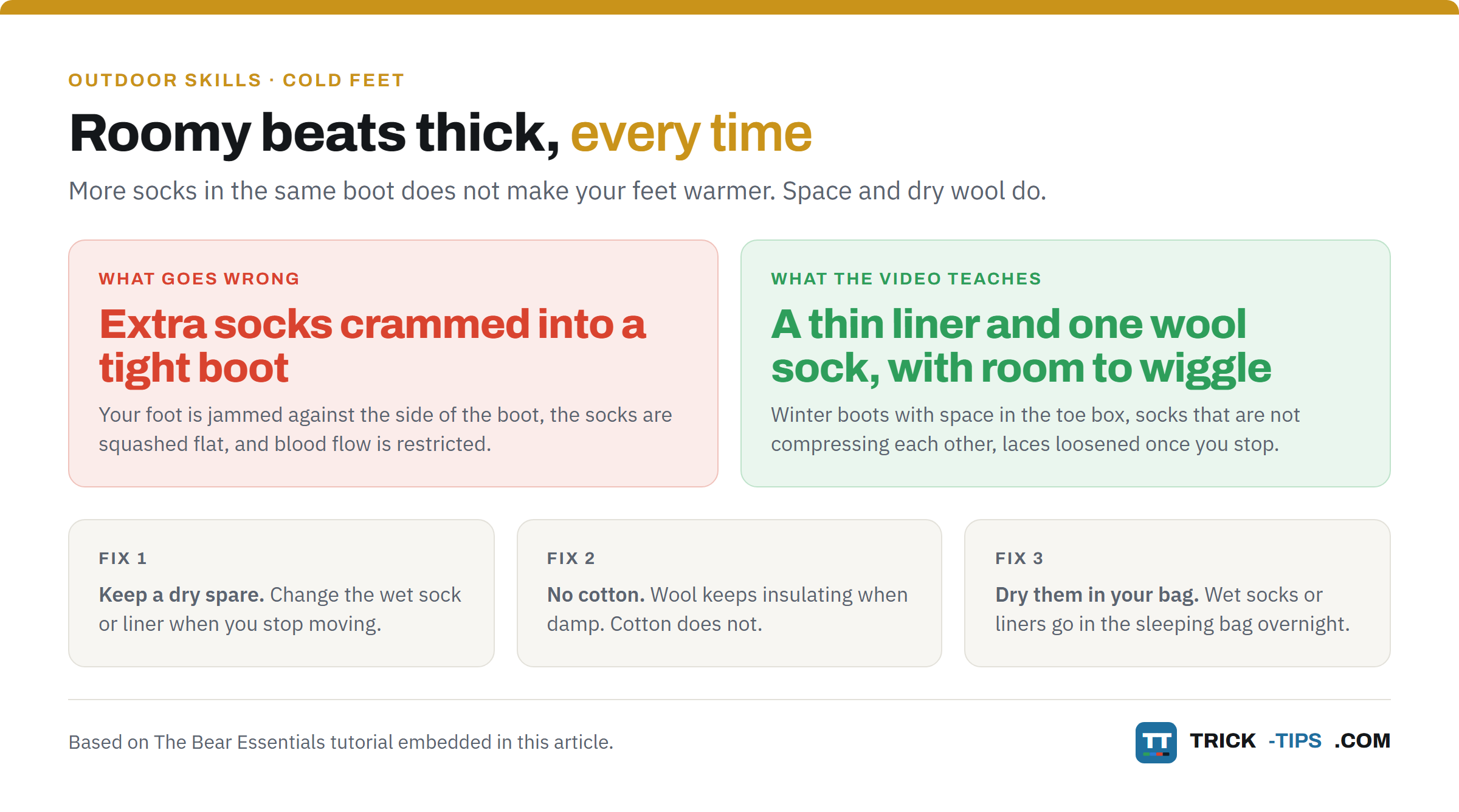
The same goes for socks. If the outer sock is so tight it crushes the inner one, it is counterproductive, because it is the loft and the air space in the wool that keeps you warm (8:35). If wool itches, use merino or a synthetic for the inner layer instead (8:47).
And when you get to camp, loosen your laces (8:58). Tight is fine for walking. It is not fine for sitting still.
There is a bonus tip at 9:04 if you want one. Trace your soles onto cheap reflective material and cut out a pair of insoles. Alongside the wool, they bounce a little radiant heat back at your feet.
The short version
Stay dry. Plan a sock, liner or vapour barrier change for when you stop moving.
No cotton. Wool or synthetic, from the socks up.
Leave room. Boots your toes can wiggle in with your winter socks on, and looser laces at camp.
Dry overnight. Damp socks and liners go in your sleeping bag with you.
Beyond the video
Two things the video does not cover that are worth knowing.
Wearing a vapour barrier properly. Most guides put a thin liner sock against your skin, then the vapour barrier, then your insulating sock, so the plastic is not directly on your foot. They are best in properly cold conditions, and the catch is that your skin stays damp, so take them off and let your feet dry every night, or you risk blisters and worse. (Andrew Skurka and SectionHiker both describe it this way.)
Knowing when cold feet have become a problem. Frostnip and frostbite start with skin that is cold and firm, numbness, a stinging or burning feeling, and skin that looks red or pale. The NHS advice is to get into shelter, take off anything tight like boots, wrap the feet in something dry and warm them gently in warm, not hot, water. Do not rub them, and do not put them next to direct heat like a fire or a stove. Hard, white or blue skin, blisters, or signs of hypothermia such as constant shivering, slurred speech or confusion need help straight away. In the hills, dial 999 or 112, ask for the Police, then Mountain Rescue.
What to learn next
Cold feet are one part of staying warm. Our guide to how to stay warm outdoors covers the whole body, head to toe, and the one habit that fixes most cold days. For nights out, how to sleep warm when camping picks up where this leaves off.
Everything else is on the Outdoor Skills hub.
Frequently Asked Questions
Why do my feet get cold even in waterproof boots?
Usually because they are damp from the inside. Your feet sweat when you are active, and a fully waterproof boot can trap that moisture. Damp socks lose heat far faster than dry ones, so change into dry socks or liners when you stop, and dry the damp ones overnight.
Are thicker socks better for cold feet?
Not if they make your boots tight. Squashed socks lose the loft that insulates you, and a tight boot restricts blood flow to your toes. A thin liner sock plus one good wool sock in a boot with room to wiggle is usually warmer than extra layers crammed in.
What socks are warmest for cold weather?
Wool. It keeps insulating when it gets wet, wicks moisture away from your skin and dries out overnight in a sleeping bag. Avoid cotton and cotton blends, which stop insulating once damp. If wool irritates your skin, use a merino or synthetic liner sock underneath.
How much bigger should winter boots be?
The Bear Essentials recommends one to two sizes bigger than your normal shoe, with extra toe room, so two pairs of thick wool socks fit and your toes can still wiggle. Other advice starts at half a size up. What matters is that nothing is squeezed with your winter socks on.
What is a vapour barrier sock?
A thin waterproof layer, even a plastic bag, worn under your insulating sock. It stops sweat reaching the insulation so the outer sock and the boot stay dry. Most guides put a thin liner sock underneath it, and your feet need to come out and dry every night.
How do you dry boots and socks when camping?
Put damp socks and removable boot liners in your sleeping bag with you overnight. Your body heat dries them, and you start the morning with warm, dry kit. You can dry socks by the fire too.
In short
Cold feet are damp feet or squashed feet. Plan a dry change for when you stop, keep cotton away from your feet, and wear boots with room to wiggle.
Before your next cold trip, put your winter socks on, try your boots, and pack one dry spare pair of wool socks just for camp.
Ask any questions in the comments below.