Every winter kit list you read adds up to more than you want to spend, and most of it is written by people selling the kit. So here is the honest version.
The short answer is no, mostly. A winter layering system is not one expensive thing, it is four cheap things doing four different jobs, and for three of those jobs the budget version does almost exactly what the expensive version does. There is one layer where paying more genuinely buys you something, and it is probably not the one you think.
The bigger point underneath it: layering is not about being warm, it is about managing sweat. Once you understand that, the shopping decisions make themselves.
Watch it first
MyLifeOutdoors made the video this article is built on, and he earned the pick with the first line of it. He opens by apologising for his own previous video, in which the layers he recommended added up to over a thousand dollars, and then rebuilds the same system for under two hundred. That is a rare thing on a gear channel.
It runs about six minutes and it is chaptered. What winter layering actually is starts at 0:51, shells at 1:26, insulated layers at 2:36, mid layers at 3:30 and trousers at 5:00.
On the prices. The figures in the video are US dollars from January 2023, so do not take any of them as what something costs you today. What lasts is the ratio, and the ratios are stark: his budget base layer set was about a tenth the price of the expensive one, and his budget fleece about an eighth. Those gaps have not closed.
What a layering system is for
Here is the bit that reframes everything else.
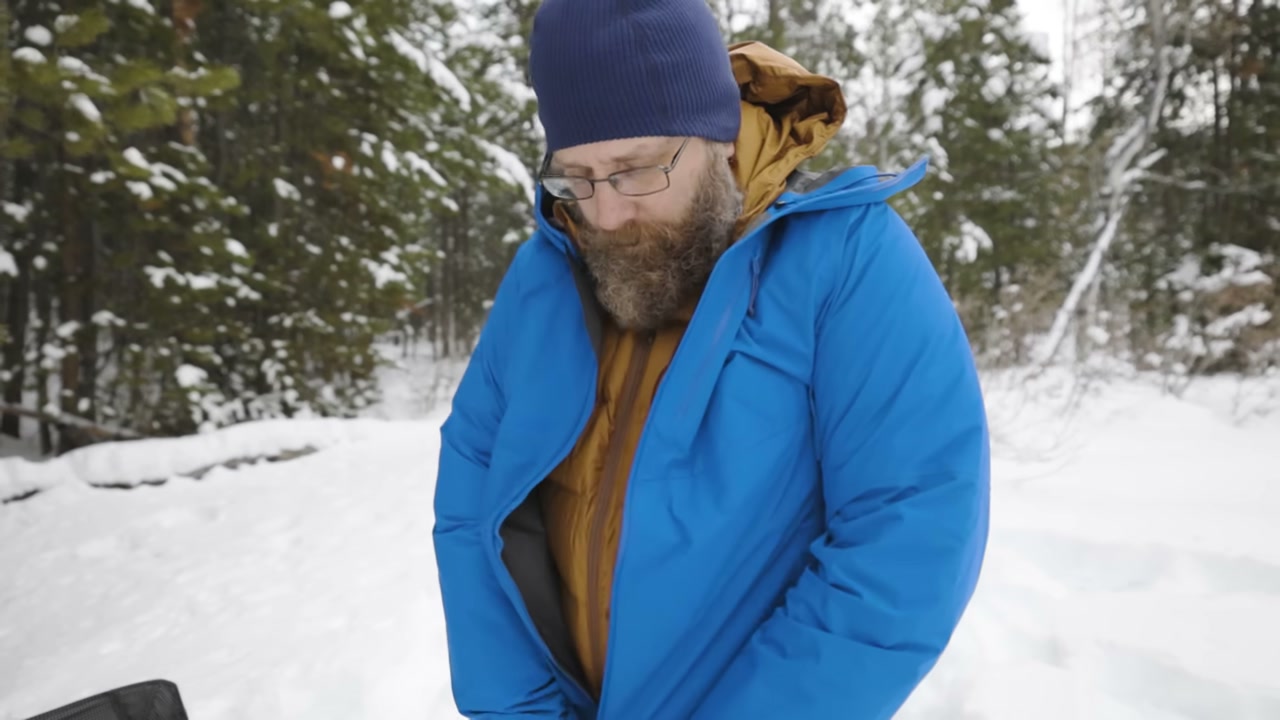
If you get wet when it is cold, you will be cold. Walking uphill in winter makes you wet from the inside, from sweat, and the more layers you have on the faster that happens. So a layering system is a set of things you take off when you start working and put on when you stop.
That is why you own several thin things rather than one thick thing. Not because thin things are warmer, but because you can shed them one at a time as you heat up, and get them back on at the top before you cool down.
The four layers and what each one does
| Layer | Its one job | What actually matters | Is the expensive one better? |
|---|---|---|---|
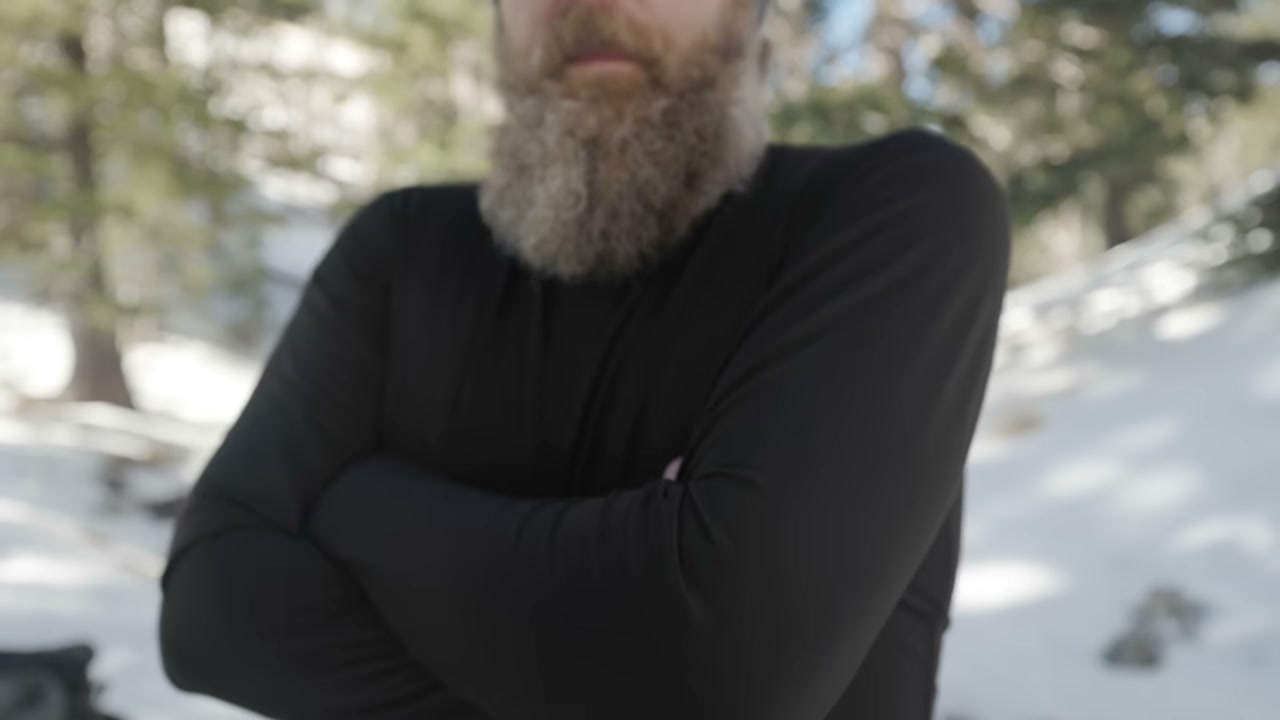
| Base layer | Move sweat off your skin | The fabric. Polyester wicks best, wool and silk also work, cotton is the one to avoid because it holds sweat against you and takes an age to dry | Barely. The premium version’s edge is a bit of performance and much better odour control |
| Mid layer | Insulate while you are still moving, so it has to wick too | A polyester fleece. That is the whole specification | No. Cheap fleece does this properly |
| Insulating layer | Keep you warm when you have stopped. It cannot move sweat, so it does not go on while you are working hard | Warmth for weight and packed size | Somewhat. Down is warmer for its weight than cheap synthetic, so you feel it at genuinely low temperatures |
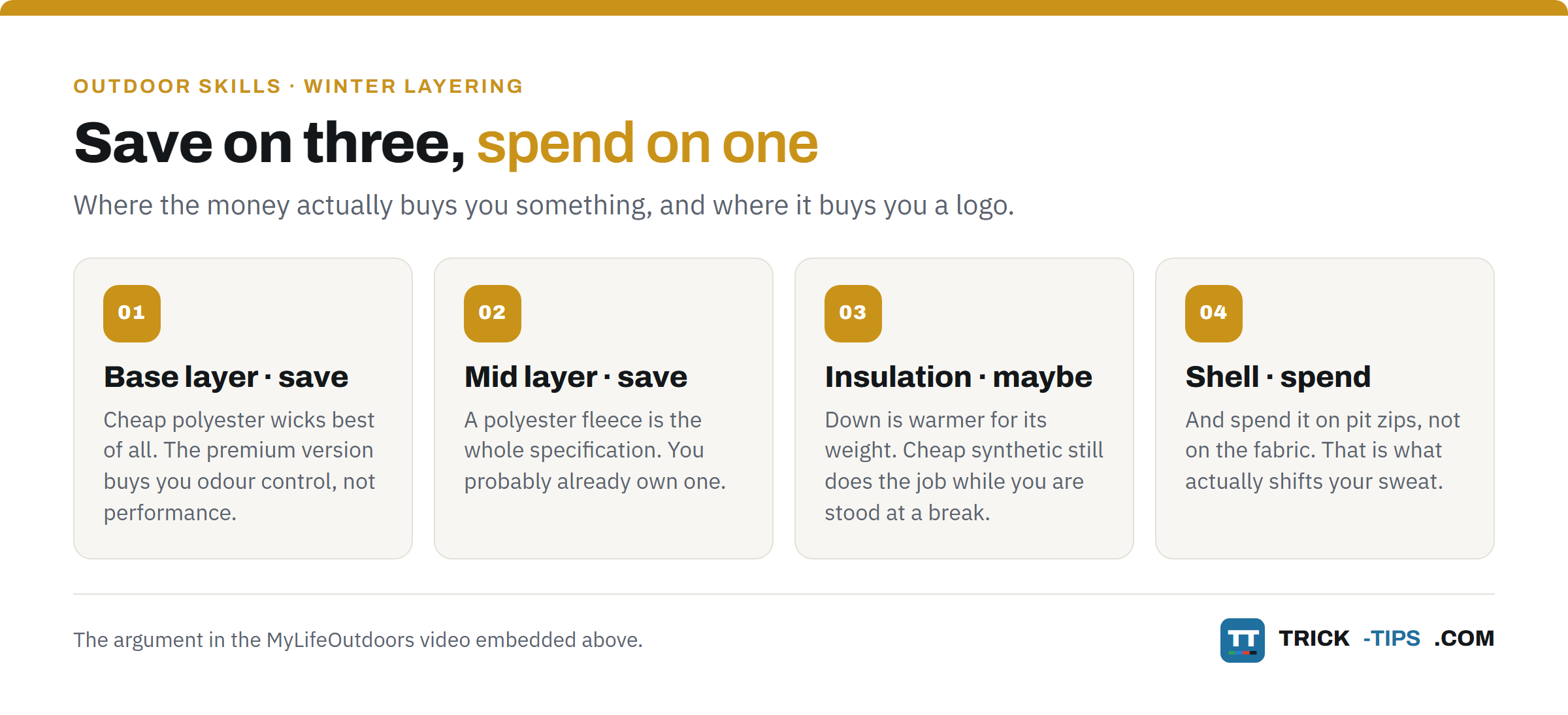
| Shell | Keep wind and wet snow out, and let sweat escape | Pit zips. See below | For the zips, yes. For the fabric, less than the price suggests |
Table: What each layer is for, from the MyLifeOutdoors breakdown.
Notice what falls out of that table. The layer nearest your skin is the most important one and among the cheapest to get right. Cotton is the only real mistake available to you, and avoiding it is free.
The one feature worth paying for
A shell’s job is to stop wind and wet snow getting in while letting sweat out. The expensive fabrics are sold on that second half, and the video’s view is that they do not manage it as well as the marketing suggests. What genuinely shifts sweat is pit zips, the long zips under the arms that you open to dump heat without taking the jacket off.
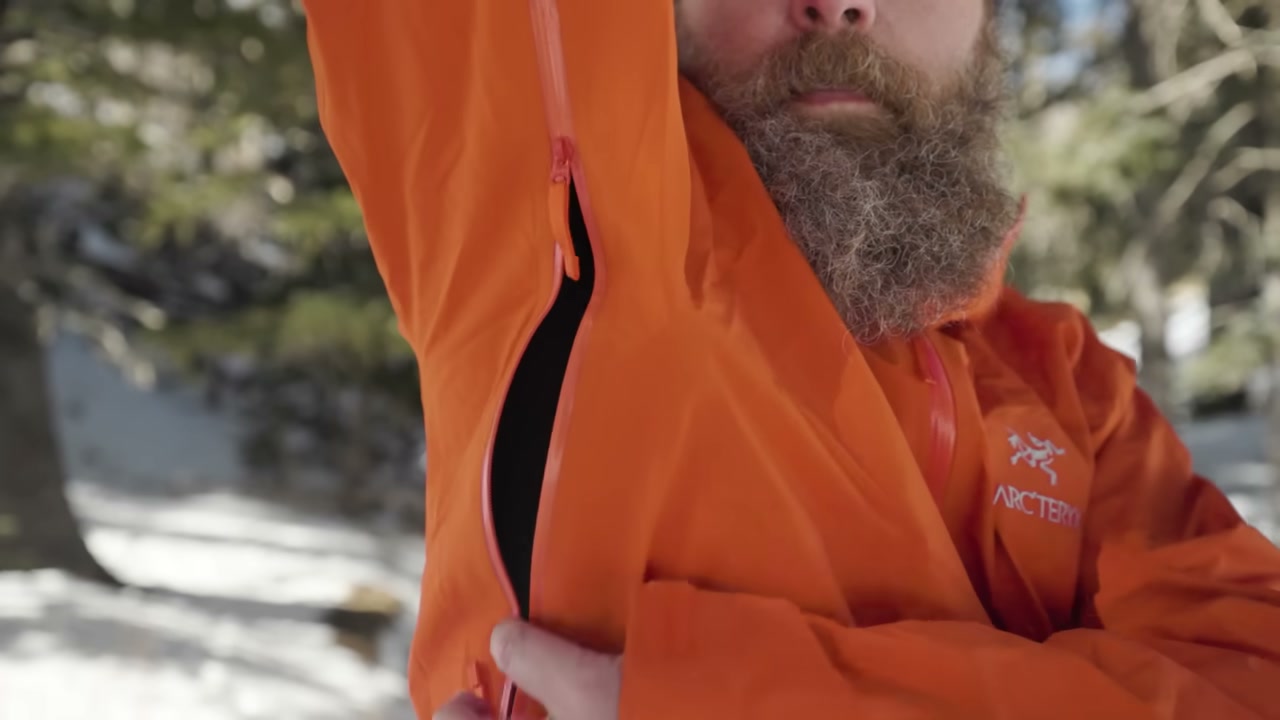
So the practical advice is this. A decent waterproof rain jacket will keep the weather off you as well as a technical shell will. Buy the cheapest one you can find that has pit zips, and if that pushes the price up, that is the one place in the system where the extra money is buying you a real thing rather than a logo.
In the video this was the single most expensive item on his budget list, and he says plainly that he only paid it because he could not find a cheaper jacket with the zips.
Insulation, and why you do not need the best one
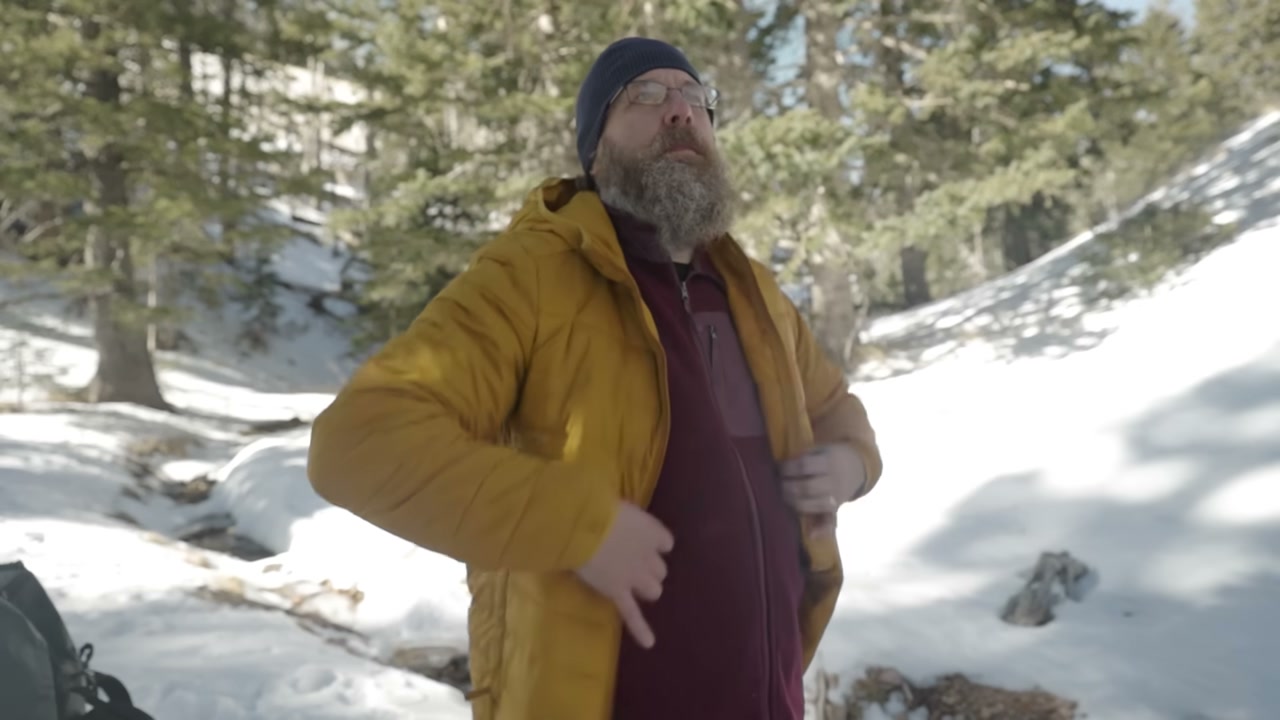
An insulating layer only has to do one thing, and it is the thing you need least often. You put it on at a break or in camp, not on the way up. Being active keeps you warm on its own.
A cheap synthetic puffy is not as warm as an expensive down one, and the video says so rather than pretending otherwise. But it is not a bad jacket, and for standing about at a break it will do a lot of the work. If you already own something insulated, that almost certainly counts.
Legs
Your legs make a lot of heat when you are moving, so they need less help than you would think.
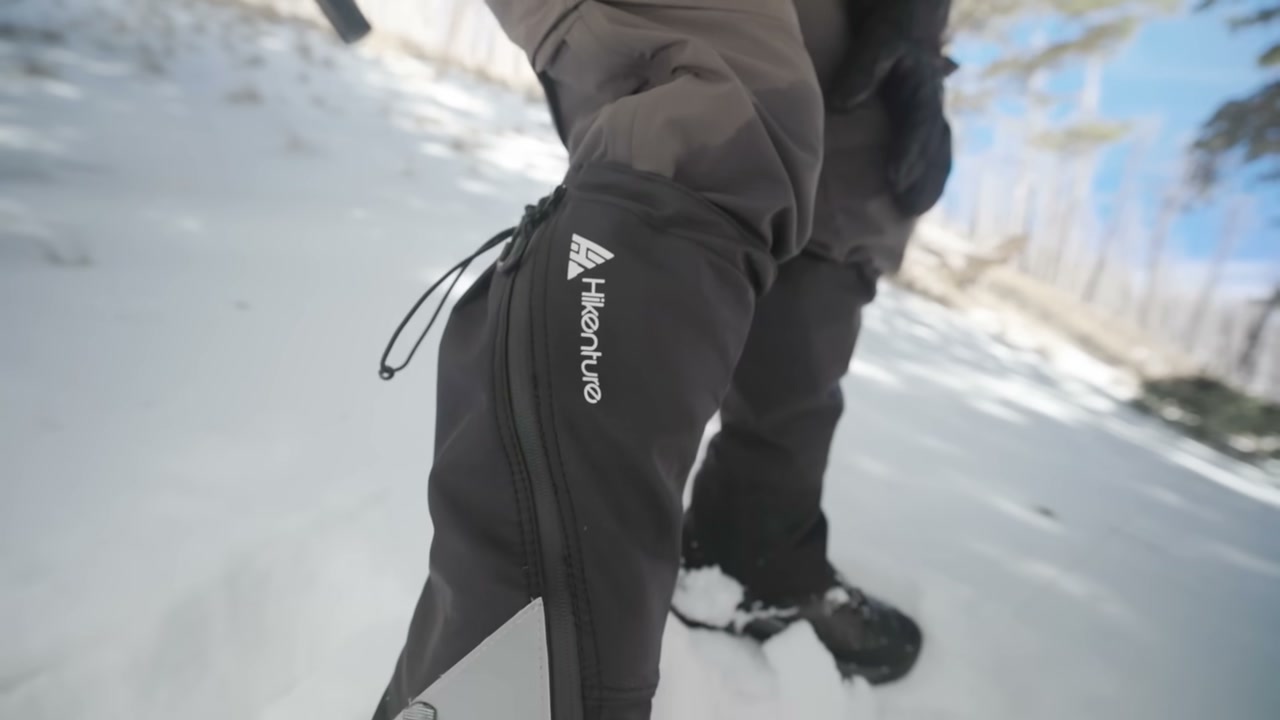
Instead of buying softshell trousers, the video’s approach is ordinary walking trousers plus a good pair of waterproof gaiters. The gaiters keep snow out of your boots and keep the bottom of your trousers dry, which is where the wet actually gets you. If snow is falling hard enough to soak the tops as well, a wash-in water repellent treatment at home sorts that out for far less than a pair of waterproof trousers costs.
Mistakes that cost more than the gear
Wearing a cotton base layer. It holds your sweat against your skin and dries slowly. This is the one material choice that actually matters and it is free to get right.
Keeping the insulated jacket on while you walk. It cannot move sweat, so you soak the inside of it, and then it does not insulate when you stop and actually need it.
Buying the shell first. It is the most expensive layer and the one that does the least for how warm you feel. Sort your base layer and a fleece first.
Buying everything at once. Most people already own a fleece, and probably trousers. Buy the gaps.
Judging a layer by its warmth rating. Three of the four layers are judged on how they handle moisture, not on how warm they are.
Beyond the video
- Wool versus polyester is a real trade, not a tie. Polyester wicks fastest and costs least, and the video is clear that it is the better wicker. What it grants the expensive wool blend is odour control, and that is worth more than it sounds if you are out for a weekend rather than an afternoon, because it decides whether day two starts in a clean layer or a grim one.
- Buy the outer layers in the size that fits over the inner ones. Insulation works by trapping air, so a jacket pulled tight over a fleece has less of it to trap. A bargain insulated layer bought in your normal size, then worn over two other layers, can end up doing less than the fleece underneath it.
Where this sits
- How to stay warm outdoors is the rung below this one. It is about using the layers you have properly, which matters more than owning better ones.
- How to sleep warm when camping covers the other half of a cold day, the night at the end of it.
- How to keep your feet warm is the one body part a layering system does not cover.
Frequently Asked Questions
Do you really need expensive winter gear?
For most of a layering system, no. The base layer, mid layer and shell all have cheap versions that do the same job. Insulated jackets are where paying more buys you real warmth for the weight, and pit zips on a shell are worth the money.
What is the most important winter layer?
The base layer, because it is the one touching your skin and dealing with your sweat. It is also one of the cheapest to get right, as long as it is not cotton.
Is Gore-Tex worth it for winter walking?
Less than its price suggests, according to the video. A high-end waterproof fabric still relies on pit zips to shift sweat in practice, so a cheaper waterproof jacket with pit zips gets you most of the way there.
Why should I not wear cotton in winter?
Cotton holds sweat against your skin instead of moving it away, and takes a long time to dry. Wet fabric against you in the cold makes you colder, which is the thing the whole system exists to prevent.
What is the difference between a mid layer and an insulating layer?
A mid layer insulates and wicks, so you can keep it on while you are moving. An insulating layer only insulates, so it goes on when you stop.
Do I need waterproof trousers for winter walking?
Often not. Walking trousers with good waterproof gaiters keep the snow out of your boots and the bottoms dry, which covers most of it. A wash-in water repellent treatment handles the rest.
In short
Four layers, four jobs. Wick, insulate-while-moving, insulate-while-stopped, keep the weather out. Get the base layer right and not cotton, use any fleece you already own, do not buy the warmest insulated jacket you can afford, and spend what you save on a waterproof with pit zips.
Then go and look in your own wardrobe before you buy anything. Most people are one or two items away from a complete system already.
Ask any questions in the comments below.